Alcohol use disorders among veterans do not occur in a vacuum. They grow out of deployments that blur night and day, injuries that reshape a body, and transitions that replace a tight-knit unit with a quiet apartment. The military teaches endurance and composure, qualities that save lives in the field. Those same traits can make it hard to raise a hand and ask for help back home. A veteran-specific approach to alcohol rehabilitation recognizes this reality. It pairs evidence-based care with providers who understand service culture, and it makes use of benefits veterans have already earned.
Why a veteran-focused approach matters
Veterans face distinctive risk factors for alcohol misuse. Combat exposure and chronic hypervigilance can fuel persistent anxiety and nightmares. Traumatic brain injury alters impulse control and sleep. Bodily injuries require pain treatment that can complicate drinking patterns. Unit culture sometimes equates heavy drinking with bonding or unwinding. When you add the loss of routine after separation, alcohol can slide from coping strategy to central problem over months or years.
Population studies vary, but within VA health care, roughly 1 in 10 to 1 in 7 veterans screens positive for an alcohol use disorder in a given year. Among veterans with posttraumatic stress symptoms, co-occurring alcohol problems are even more common, often in the range of one third or more. These are not small numbers. They point to the need for treatment models built for dual diagnoses, delivered by clinicians who do not need a glossary to understand what ruck marches, MOS, or the smell of a burn pit mean in a therapy session.
What specialized alcohol rehab looks like for veterans
Alcohol rehab is not a single place or one-size service. It is a bundle of levels of care and methods that should fit a veteran’s medical needs, risks, and goals. In veteran-competent alcohol rehabilitation, a few elements deserve special attention.

Integrated dual-diagnosis care is the backbone. Most veterans who seek help for drinking also bring anxiety, depression, PTSD symptoms, chronic pain, or sleep disorders. Programs that silo mental health and addiction often ask patients to fix one problem before treating the other. That rarely works. VA and veteran-savvy community programs integrate PTSD therapies with addiction treatment, time detox appropriately, and coordinate medication choices across conditions.
Medication-assisted treatment for alcohol use disorder is another pillar. Three FDA approved medications have the strongest evidence: naltrexone, acamprosate, and disulfiram. Naltrexone can be taken as a daily pill or as a monthly injection, useful when cravings are worst in the first 90 days. Acamprosate supports early abstinence by easing protracted withdrawal symptoms like sleep disturbance and irritability. Disulfiram blocks alcohol breakdown and causes an aversive reaction if someone drinks, a poor fit for most but effective for a few with strong supervision. Some clinicians also use topiramate or gabapentin off label after weighing risks and benefits. A veteran-oriented clinic considers interactions with pain regimens, liver function, and potential TBI-related side effects before picking a course.
Trauma-informed therapies are nonnegotiable. Cognitive Processing Therapy and Prolonged Exposure have strong data for PTSD and can be sequenced with alcohol treatment. Many VA clinics also offer Eye Movement Desensitization and Reprocessing, especially when avoidance keeps someone stuck. It matters that providers understand how moral injury differs from fear-based trauma. The tone of therapy changes when someone is carrying guilt or grief, not just fear.
Peer support adds something textbooks cannot. Group sessions work better when veterans talk in a room where shorthand makes sense and alcohol rehabilitation near me no one asks basic questions about rank or deployment. VA and community programs often include peer specialists who are veterans in recovery, trained to support engagement without acting as therapists. The credibility of someone who has sat in the same chair with trembling hands can open the door for a first honest conversation.
Family involvement helps sustain change. Healthy boundaries and education for partners reduce relapse pressure, especially when children are in the picture. Many SUD clinics offer family sessions to cover communication, safety planning, and expectations around alcohol in the home.
Levels of care veterans can access through the VA
Every VA medical center and most large community-based outpatient clinics offer a range of substance use services. The key is matching the level of care to the clinical picture.
Medical detox handles acute withdrawal safely. Alcohol withdrawal can be fatal. Risks include seizures, hallucinations, and delirium tremens, which typically peak between 48 and 96 hours after the last drink. Inpatient detox units manage this with monitored vital signs, benzodiazepine or phenobarbital protocols, thiamine to prevent Wernicke’s encephalopathy, and supportive care. Veterans with past severe withdrawals, seizures, or serious comorbidities should not try to detox at home.
Outpatient services fit many veterans after stabilization. These include weekly individual therapy, group sessions, and medication management. Primary Care Mental Health Integration teams can start first-line medications and brief counseling quickly, with a warm handoff to specialty addiction clinics when needed.
Intensive outpatient programs meet several times per week, often three to five days, for structured therapy. This level suits veterans who need more than weekly support but have a safe home and reliable transportation.
Residential programs provide 24-hour structured treatment without the intensity of a medical ward. The VA’s Substance Abuse Residential Rehabilitation Treatment Program offers therapy, medication management, peer support, and often vocational services in stays that typically last 3 to 6 weeks. Some facilities combine SARRTP with mental health residential rehab for co-occurring PTSD, an option when symptoms are tightly knotted.
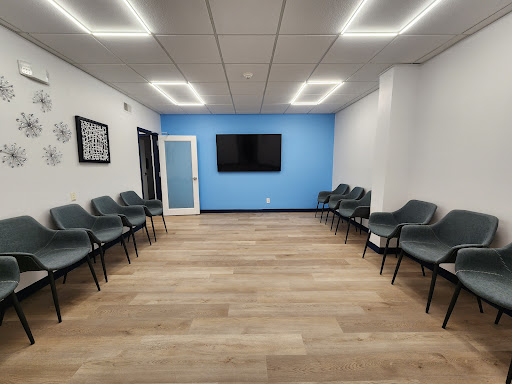
Inpatient psychiatric units care for veterans when withdrawal, suicidality, or severe medical issues require hospital-level nursing and physician oversight. The goal is short stabilization followed by step-down to residential or intensive outpatient care.
Vet Centers, separate from VA medical centers, offer confidential counseling for combat veterans and service members who experienced military sexual trauma. They do not dispense medication, but they provide therapy, family services, and referrals, important for those wary of medical settings.
Access and eligibility, with practical timing tips
Enrolling in VA health care is the gateway for most services. Veterans can apply online, by phone, or in person. Eligibility usually depends on service period, discharge status, and income. Those with service-connected disabilities or who served in recent combat zones often fall into higher priority groups, which reduces or eliminates copays.
Once enrolled, veterans can contact their local VA to request a same-day mental health appointment. Many facilities offer same-day access for urgent needs, including cravings and withdrawal. For routine care, the wait for an initial addiction intake ranges widely, say from a couple of days to a few weeks, depending on site and demand. If the clinically appropriate service is not available within VA in a timely manner or is too far away, the MISSION Act allows referral to community providers through the VA Community Care Network. This route requires authorization before starting care, except in emergencies.
Active duty service members and some retirees use TRICARE rather than VA. TRICARE covers detox, inpatient rehab, partial hospitalization, and outpatient services for alcohol use disorder, with prior authorization rules that vary by plan and duty status. For Guard and Reserve members, eligibility can be complex during transitions. A county veteran service officer can help untangle options and paperwork.
Veterans who are unhoused or at high risk benefit from specialized supports. Programs like HUD-VASH pair housing vouchers with case management. Supportive Services for Veteran Families offers rapid rehousing and prevention. Many SARRTP units reserve beds for homeless veterans, recognizing that sobriety and housing stabilize each other.
Covering the cost of alcohol rehabilitation
Cost is often the deciding factor in whether someone follows through on treatment. Within VA, medications for alcohol use disorder, therapy, and residential SUD programs are covered benefits for enrolled veterans. Depending on priority group and service connection, some veterans pay no copays. Others may pay modest outpatient copays. Inpatient stays can include copays based on income and days of care, though many qualify for waivers or caps.
Community Care referrals authorized by VA are paid by VA, not the veteran, subject to VA rules. For those using private insurance, the Affordable Care Act requires coverage for substance use treatment as an essential health benefit, but networks and deductibles vary. State-funded programs and federally qualified health centers often provide sliding scale services for veterans who are not eligible for VA care, or who prefer to start locally. None of these financial pathways matter if withdrawal is severe. In that setting, the nearest emergency department is the right door, and payment can be sorted later.
Navigating disability, service connection, and treatment
Questions about disability benefits come up early in many veteran care plans. VA does not grant disability compensation for primary alcohol abuse viewed as willful misconduct. But when alcohol use disorder is secondary to, or aggravated by, a service-connected condition like PTSD, depression, or chronic pain, veterans can pursue secondary service connection. That requires medical evidence linking the alcohol condition to the service-connected diagnosis. A seasoned clinician can document whether drinking started as self-treatment for nightmares, for example, and whether symptoms and drinking worsened together.
Receiving treatment does not jeopardize disability benefits. In fact, consistent engagement and documented progress help clarify functional limits and recovery. Veterans sometimes worry about legal exposure if they mention DUIs or other incidents tied to drinking. SUD treatment records carry added confidentiality protections under federal law. With limited exceptions for safety and emergencies, providers cannot share those records without written consent. Veterans with current security clearances should consult command or a security officer before treatment only if they remain on active duty or in sensitive contractor roles. In most civilian contexts, seeking help is viewed favorably.
Working with co-occurring PTSD, pain, and TBI
The interplay among trauma, pain, and drinking can tie into a stubborn knot. Untangling it takes sequencing and patience. A veteran with nightmares, back pain, and daily drinking may benefit from a brief inpatient detox, transition to a residential track with medication-assisted treatment, and targeted trauma therapy once sleep normalizes. Moving too fast into exposure work while someone is still withdrawing can backfire. Moving too slowly leaves them stuck in limbo.
Pain management needs careful attention. Alcohol temporarily blunts pain, but it disrupts restorative sleep and increases inflammatory markers, which can worsen pain over time. Non-opioid options like duloxetine, topical agents, and interventional procedures can reduce pain without feeding alcohol cravings. Physical therapy, yoga tailored to injuries, and graded activity plans build capacity. For those with TBI, providers watch for sensitivity to sedating medications, adjust therapy pace, and screen for headaches and light sensitivity that can masquerade as anxiety.
Sleep is both symptom and treatment target. Insomnia often outlasts detox by weeks, which raises relapse risk. Cognitive Behavioral Therapy for Insomnia has strong data and is widely available in VA. Short-term medication support may be appropriate, but heavy sedatives complicate recovery.
Detox specifics veterans should know
Quitting alcohol after heavy use is not like swearing off coffee. The brain adjusts its chemistry around regular alcohol intake. Take the alcohol away, and those systems rebound. For light or moderate drinkers, that means irritability or a bad night’s sleep. For heavy drinkers, especially those with a history of withdrawal symptoms, it can mean tremors, sweating, nausea, seizures, or delirium. The most dangerous period is typically day 2 to day 4, but symptoms can linger.
Medical detox protocols map to risk. Symptom-triggered benzodiazepine dosing is common because it treats the overactive nervous system while allowing nurses to titrate medication based on standardized scales. Some hospitals use phenobarbital protocols, especially when benzodiazepine misuse is a concern. Thiamine is given up front to protect brain tissue. Fluids, electrolyte monitoring, and treatment for concurrent infections matter. The safest plan is to be honest with the intake team about quantity and timing of drinking, past withdrawals, and any seizures. That information guides the right level of care.
Signs a program understands veterans
- Clinicians screen for and treat PTSD, depression, pain, sleep problems, and TBI in the same plan as alcohol rehab, not in separate silos. Groups include veteran-specific tracks or peer-led sessions, with staff who know military culture without romanticizing it. Medication options for alcohol use disorder are available on site, with clear education about risks and benefits. The program offers or coordinates evidence-based trauma therapies like Cognitive Processing Therapy or Prolonged Exposure, with sensible sequencing around detox and stabilization. Family services, vocational support, and aftercare planning begin early, not on discharge day.
A realistic arc of recovery
Early recovery is usually messy. The first few weeks bring a ping-pong of energy, restlessness, and occasional craving spikes. A composite example captures the pattern. A Marine veteran in his late 30s, two deployments, comes in after a scare with withdrawal at home. He completes a 4-day inpatient detox, starts naltrexone, and moves to a 28-day residential track. Nightmares ease during week two with prazosin and therapy. He picks a sponsor and calls his sister to explain the plan for their father’s birthday, which used to center on drinking. He discharges to intensive outpatient and meets his peer specialist every Friday morning. By month three, he lifts heavier at the gym, notices he listens more at home, and still has a bad Thursday now and then. The arc is not linear. But his worst day in month three is safer than his best day in month minus one. This is what progress looks like.
Aftercare that sticks
What happens after formal rehab matters more than the rehab itself. Continuing medications for at least 6 to 12 months reduces relapse risk. Therapy shifts from crisis management to skills and values. Some veterans do well in 12-step rooms where structure and service come naturally. Others prefer SMART Recovery or Refuge Recovery, which emphasize cognitive strategies or mindfulness. Many use both. VA Video Connect makes it possible to attend therapy between field work or in rural settings. Setting simple guardrails helps. Keep no alcohol in the home early on. Tell two people when a craving surge hits, not just one. Connect recovery goals to values that already matter, like mentoring junior colleagues, showing up for a child’s game, or finishing a class.
Relapse is common in chronic conditions, and alcohol use disorder is no exception. The right response is adjustment, not shame. If a slip happens, call the clinic or peer support, review triggers, and decide whether to step up the level of care briefly. A single lapse does not erase progress.
Special topics veterans bring to the room
Moral injury deserves a name and a plan. Some veterans drink not to avoid fear but to quiet guilt or anger about events that violate their core values. Therapy here leans into meaning-making, forgiveness, and sometimes spiritual care, not just exposure.
Military sexual trauma cuts across gender and era. Programs serving veterans must provide MST-competent care whether or not a veteran also identifies with the label survivor. For some, mixed-gender groups are counterproductive early on. Flexibility matters.
Legal issues like pending DUIs or family court involvement raise stress during early sobriety. Social workers within VA can coordinate with probation officers or courts when consent is given, confirming attendance and progress without sharing sensitive details.
Rural care and telehealth
Many veterans live far from large VA centers. VA Video Connect allows secure video visits on a smartphone or computer. Remote bloodwork, medication delivery, and mailed breathalyzers or saliva tests support accountability without weekly travel. Mileage reimbursement, often called travel pay, can offset costs for in-person visits when distance is unavoidable. Some Community Based Outpatient Clinics run small but effective recovery groups, a lifeline in counties with few services.
Simple steps to start today
- Call the Veterans Crisis Line at 988 and press 1 if you are in immediate danger, feel unsafe, or have thoughts of self-harm, whether or not alcohol is involved. Contact your local VA medical center and ask for same-day mental health or SUD intake, or walk in during posted hours. If enrolled, use My HealtheVet to message your team. If you are not enrolled in VA health care, apply online or by phone, or visit a county veteran service office for help with the application and benefits review. If withdrawal has started or you have a history of seizures or delirium, go to the nearest emergency department and tell them your drinking history and last drink time. If VA access is delayed or distant, ask about Community Care authorization under the MISSION Act, or use the SAMHSA treatment locator to find a local program and let VA coordinate coverage.
Choosing between abstinence and reduction
Some veterans ask whether moderation is a goal. For mild alcohol problems without withdrawal history or safety risks, reduction can be a reasonable short-term target. For moderate to severe alcohol use disorder, abstinence is safer, especially with co-occurring PTSD or TBI. Medications like naltrexone can help reduce heavy-drinking days, but the long-term health benefits and legal safety of abstinence are clearer in most veteran cases. A candid conversation with a clinician can sort out which track fits your history and risk profile.
Quality markers you can feel on day one
Good programs feel safe and direct. Staff introduce themselves plainly. Intake includes questions about nightmares, pain, and head injuries alongside drinking. You receive practical education about withdrawal timelines. There is a plan for weekends, not just weekdays. You leave the first day with a medication plan or a clear appointment for it. People call you by your name, not a number. These small details add up to staying power.
Tying alcohol rehab to the rest of life
Alcohol rehabilitation works best when it slots into a life someone wants to live. That might mean linking treatment with Compensated Work Therapy for job stability, using the GI Bill to take a class that meets in the afternoon when cravings spike, or asking a coach to let you lead warmups to hold yourself accountable. It could mean asking a friend to train for a 10K with you, or cooking Sunday dinners without wine for a month and seeing how the evening feels. Goals should be specific and anchored to identity. Veterans understand mission better than most. Recovery becomes a mission grounded in values rather than a punishment for past choices.
Where to get help now
You have options. Within VA, call your local medical center and ask for the Substance Use Disorder clinic. If you prefer community care, ask VA about authorization, or search the SAMHSA treatment locator for accredited programs. Vet Centers provide confidential counseling, including for family members, even if you have not enrolled in VA health care. If nights are the worst, program your phone with the Veterans Crisis Line, 988, press 1. If you are supporting a veteran, local Al-Anon and family groups meet in most towns and online, and VA family services can coach you through boundaries that help without enabling.
The path through alcohol rehab is not quick, and not every tool fits every veteran. But the system includes medical detox for safety, medications to lower cravings, trauma therapies that honor service and pain, and benefits that make it affordable. With the right fit, the skills forged in uniform, discipline, teamwork, and grit, become assets again, this time in service of a sober life that leaves room for ease, purpose, and trust.
Promont Wellness
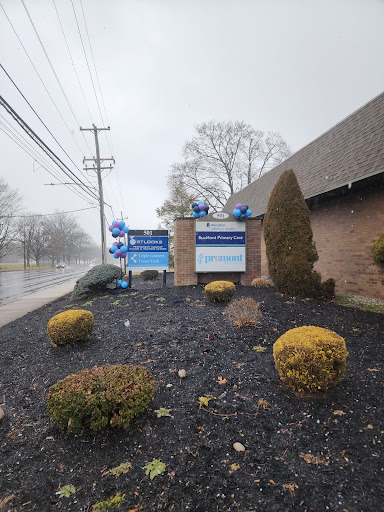
Address: 501 Street Rd, Suite 100, Southampton, PA 18966Phone: 215-392-4443
Website: https://promontwellness.com/
Hours:
Monday: Open 24 hours
Tuesday: Open 24 hours
Wednesday: Open 24 hours
Thursday: Open 24 hours
Friday: Open 24 hours
Saturday: Open 24 hours
Sunday: Open 24 hours
Open-location code (plus code): 5XG2+VV Southampton, Upper Southampton Township, PA
Map/listing URL: https://maps.app.goo.gl/Bp8NRhkmTf9gHJEc7
Socials:
https://www.facebook.com/PromontWellness/
https://www.instagram.com/promontwellness/
Promont Wellness provides outpatient mental health and addiction treatment in Southampton, serving individuals who need structured support while continuing with daily life responsibilities.
The center offers multiple levels of care, including partial hospitalization, intensive outpatient treatment, outpatient services, aftercare planning, and virtual treatment options for eligible clients.
Clients in Southampton and the surrounding Bucks County area can access support for mental health concerns, substance use disorders, and co-occurring conditions in one setting.
Promont Wellness emphasizes individualized treatment planning, trauma-informed care, and a client-focused approach designed to support long-term recovery and day-to-day stability.
The practice serves Southampton as well as nearby communities across Bucks County and other parts of southeastern Pennsylvania, making it a practical option for local and regional care access.
People looking for structured outpatient support can contact the center directly at 215-392-4443 or visit https://promontwellness.com/ to learn more about admissions and treatment options.
For residents comparing providers in the area, the business also maintains a public Google Business Profile link that can help with directions and listing visibility before a first visit.
Promont Wellness is positioned as a local option for people who want evidence-based behavioral health care in a professional office setting in Southampton.
Popular Questions About Promont Wellness
What does Promont Wellness do?
Promont Wellness is an outpatient behavioral health center in Southampton, Pennsylvania that provides mental health and substance use treatment, including support for co-occurring conditions.
What levels of care are available at Promont Wellness?
The center offers partial hospitalization (PHP), intensive outpatient programming (IOP), outpatient treatment, aftercare planning, and virtual treatment options.
Does Promont Wellness provide mental health treatment?
Yes. The practice publishes mental health treatment information for concerns such as anxiety, depression, bipolar disorder, schizophrenia, trauma, and PTSD.
Does Promont Wellness help with addiction treatment?
Yes. The website describes support for alcohol and drug addiction treatment along with recovery-focused outpatient services.
What therapies are mentioned on the website?
Promont Wellness lists therapy options such as cognitive behavioral therapy, dialectical behavior therapy, individual therapy, group therapy, family therapy, psychotherapy, relapse prevention, and TMS therapy.
Where is Promont Wellness located?
Promont Wellness is located at 501 Street Rd, Suite 100, Southampton, PA 18966.
What are the published business hours?
The contact page lists Monday through Friday from 8:00 AM to 9:00 PM, with Saturday and Sunday closed.
Who may find Promont Wellness useful?
People looking for outpatient mental health care, addiction treatment, dual-diagnosis support, or step-down programming after a higher level of care may find the center relevant.
Does Promont Wellness serve areas beyond Southampton?
Yes. The website includes service-area pages for Bucks County communities and nearby parts of Pennsylvania and New Jersey.
How can I contact Promont Wellness?
Phone: 215-392-4443
Facebook: https://www.facebook.com/PromontWellness/
Instagram: https://www.instagram.com/promontwellness/
Website: https://promontwellness.com/
Landmarks Near Southampton, PA
Tamanend Park – A well-known Upper Southampton park at 1255 Second Street Pike with trails, open space, and community amenities that many local residents recognize immediately.Second Street Pike – One of the main commercial corridors in Southampton and a practical reference point for local driving directions and nearby businesses.
Street Road – A major east-west route through the area and one of the clearest roadway references for visitors heading to appointments in Southampton.
Old School Meetinghouse – A historic Southampton landmark associated with the community’s early history and often used as a local point of reference.
Churchville Park – A large nearby park area often recognized by residents in the broader Southampton and Bucks County area.
Northampton Municipal Park – Another familiar recreational landmark in the surrounding area that can help orient visitors traveling from nearby neighborhoods.
Southampton Shopping Center – A recognizable retail area along the local commercial corridor that many residents use as a simple directional reference.
Hampton Square Shopping Center – A nearby shopping destination that can help users identify the broader Southampton business district.
Upper Southampton Township municipal and recreation areas – Useful local references for users searching for services in the township rather than by ZIP code alone.
Bucks County service area references – For patients traveling from neighboring communities, Southampton serves as a convenient treatment hub within the larger Bucks County region.
If you are searching for outpatient mental health or addiction treatment near these Southampton landmarks, call 215-392-4443 or visit https://promontwellness.com/ for current program information and directions.